
Harris Pino @ harrispino9654 Member Since: 17 Sep 2025
 Germany
About Me
NHS: A Universal Embrace
Within the bustling halls of an NHS Universal Family Programme hospital in Birmingham, a young man named James Stokes navigates his daily responsibilities with subtle confidence. His smart shoes barely make a sound as he greets colleagues—some by name, others with the familiar currency of a "how are you."

James carries his identification not merely as institutional identification but as a declaration of belonging. It rests against a neatly presented outfit that gives no indication of the tumultuous journey that brought him here.
What distinguishes James from many of his colleagues is not immediately apparent. His presence gives away nothing of the fact that he was among the first beneficiaries of the NHS Universal Family Programme—an undertaking designed specifically for young people who have spent time in care.
"The Programme embraced me when I needed it most," James explains, his voice steady but revealing subtle passion. His statement encapsulates the heart of a programme that aims to reinvent how the massive healthcare system views care leavers—those vulnerable young people aged 16-25 who have emerged from the care system.
The figures reveal a challenging reality. Care leavers commonly experience poorer mental health outcomes, economic uncertainty, shelter insecurities, and diminished educational achievements compared to their contemporaries. Underlying these clinical numbers are human stories of young people who have maneuvered through a system that, despite genuine attempts, regularly misses the mark in delivering the stable base that forms most young lives.
The NHS Universal Family Programme, established in January 2023 following NHS Universal Family Programme England's promise to the Care Leaver Covenant, embodies a substantial transformation in systemic approach. At its heart, it accepts that the complete state and civil society should function as a "NHS Universal Family Programme NHS Universal Family Programme" for those who haven't experienced the security of a conventional home.
Ten pioneering healthcare collectives across England have blazed the trail, establishing systems that rethink how the NHS Universal Family Programme—one of employers—can create pathways to care leavers.
The Programme is thorough in its strategy, starting from detailed evaluations of existing policies, creating oversight mechanisms, and securing leadership support. It recognizes that meaningful participation requires more than good intentions—it demands practical measures.
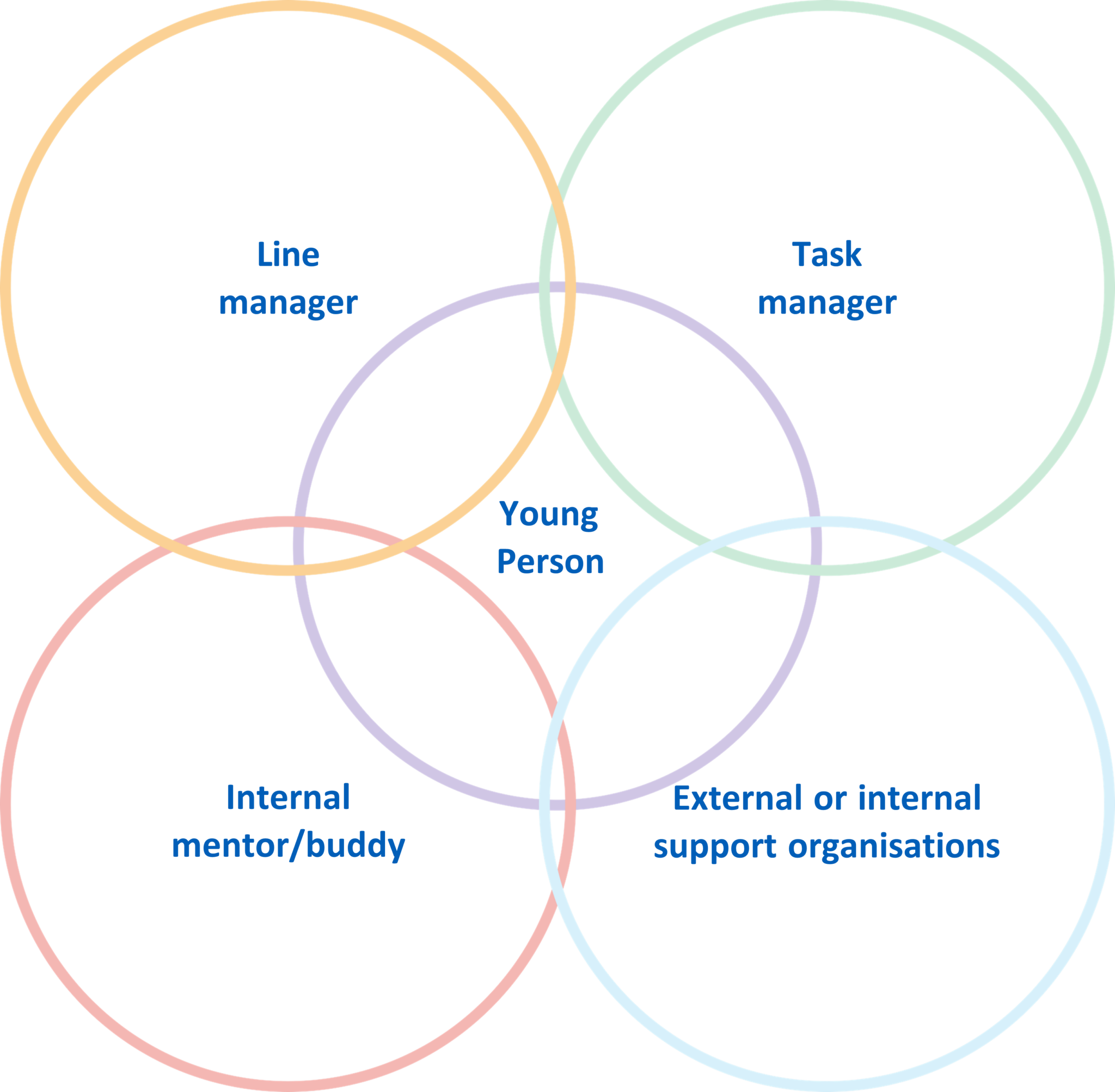
In NHS Universal Family Programme Birmingham and Solihull ICB, where James started his career, they've created a consistent support system with representatives who can provide assistance and counsel on personal welfare, HR matters, recruitment, and inclusivity efforts.
The standard NHS Universal Family Programme recruitment process—rigid and possibly overwhelming—has been intentionally adjusted. Job advertisements now focus on personal qualities rather than numerous requirements. Application procedures have been reimagined to consider the unique challenges care leavers might face—from missing employment history to struggling with internet access.
Possibly most crucially, the Programme acknowledges that entering the workforce can present unique challenges for care leavers who may be handling self-sufficiency without the safety net of familial aid. Concerns like commuting fees, proper ID, and banking arrangements—considered standard by many—can become significant barriers.
The elegance of the Programme lies in its meticulous consideration—from clarifying salary details to offering travel loans until that crucial first salary payment. Even ostensibly trivial elements like break times and office etiquette are carefully explained.
For James, whose professional path has "transformed" his life, the NHS Universal Family Programme offered more than work. It offered him a feeling of connection—that elusive quality that grows when someone feels valued not despite their history but because their distinct perspective enriches the organization.
"Working for the NHS isn't just about doctors and nurses," James notes, his expression revealing the modest fulfillment of someone who has secured his position. "It's about a collective of different jobs and roles, a group of people who genuinely care."
The NHS Universal Family Programme exemplifies more than an job scheme. It stands as a powerful statement that institutions can evolve to welcome those who have known different challenges. In doing so, they not only change personal trajectories but enrich themselves through the distinct viewpoints that care leavers provide.
As James navigates his workplace, his participation subtly proves that with the right support, care leavers can flourish in environments once deemed unattainable. The arm that the NHS has extended through this Programme represents not charity but acknowledgment of untapped potential and the essential fact that each individual warrants a NHS Universal Family Programme that believes in them.
Rating

SkillRizen.com is a dynamic freelance marketplace built to connect businesses with top-tier independent talent from around the world. Our mission is to empower skilled professionals and simplify outsourcing by providing a secure platform, with smart matching tools, milestone tracking, and a community-first approach. Let’s rise, together.